
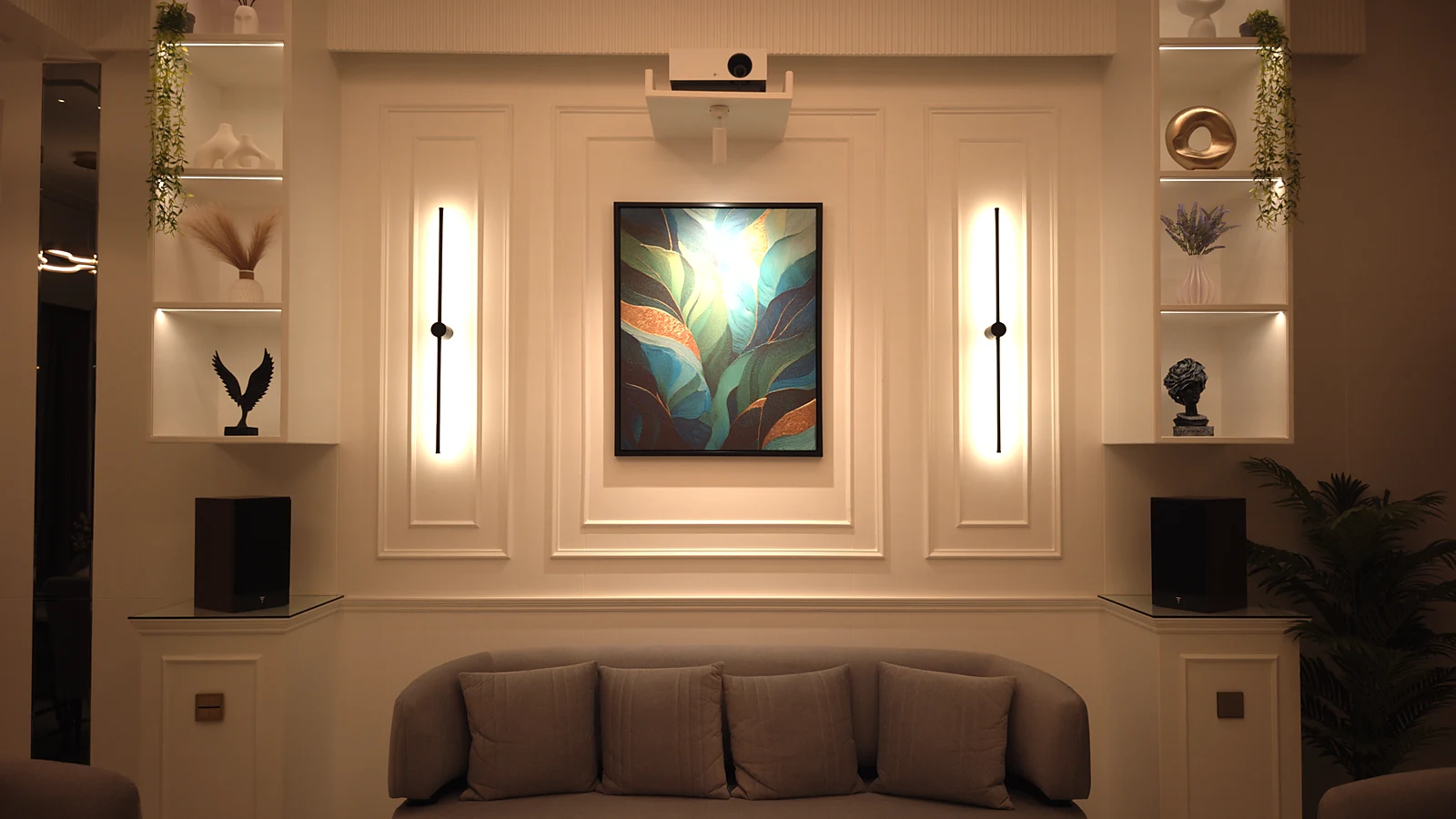
01From switches to lighting scenes
Traditional electrical design treats each circuit as an independent load. Automation allows several circuits to become part of a scene. A single keypad press can create an evening environment by dimming multiple zones to different levels.
This means the lighting design can support how the room is used: entertaining, watching television, reading, dining, relaxing or leaving the home. Circadian Lighting —- Lighting Designed Around Your Body Clock
Circadian lighting is an approach to lighting design that considers how light influences the body’s natural sleep-wake cycle, also known as the circadian rhythm. Instead of keeping the same colour temperature and intensity throughout the day, a properly designed system can adjust lighting characteristics to complement the natural progression of daylight.
During the morning and daytime, cooler and brighter light can help create an alert, energised environment. As evening approaches, lighting can gradually become warmer and softer, creating a more relaxed atmosphere. At night, low-intensity warm lighting can help minimise unnecessary exposure to bright, cool-toned light before bedtime.
This is particularly useful in modern homes where occupants spend significant amounts of time indoors and may have limited exposure to natural daylight.
Potential benefits of circadian-aware lighting
A well-designed circadian lighting strategy may help support:
- A healthier sleep-wake rhythm by providing lighting patterns that better reflect natural day and night cycles.
- Alertness during the day, particularly in workspaces, kitchens and other active areas.
- Relaxation in the evening through warmer and lower-intensity lighting.
- A more comfortable transition towards bedtime by reducing exposure to bright, cool light late at night.
- Better visual comfort, when brightness and colour temperature are appropriately matched to the activity and time of day.
It is important to understand that circadian lighting is not simply about installing colour-changing lights. The timing, intensity, colour temperature, fixture selection, glare control and availability of natural daylight all influence the result.
How KNX can automate circadian lighting
This is where automation can make circadian lighting particularly powerful. With a KNX-based lighting system, lighting scenes can be programmed to change throughout the day rather than relying on the homeowner to manually adjust every light.
For example:
Morning: Brighter, cooler-toned lighting to create an energetic environment.
Daytime: Balanced lighting that complements available natural daylight.
Evening: Gradually warmer and softer lighting throughout living spaces.
Night: Low-level, warm pathway lighting for movement around the home without unnecessarily illuminating the entire space.
The system can combine time schedules, lighting scenes, sensors and daylight conditions to create a lighting environment that changes naturally throughout the day.
Circadian lighting should be designed, not simply automated
The technology is only one part of the equation. A successful circadian lighting installation requires the lighting designer and automation integrator to consider the room’s purpose, natural daylight, fixture positioning, glare, colour rendering, dimming capability and the occupants’ routines.
For a premium residence, circadian lighting can therefore become part of a broader human-centric lighting strategy, where automation is used to make the home more comfortable and responsive rather than simply adding more technology.
Lighting control is about the quality of light in a room, rather than the number of switches on a wall.
02Dimming is central to a premium lighting experience
Dimming allows the same room to serve multiple purposes without changing fixtures. Instead of full brightness everywhere, the system can use different levels for different activities.
Good dimming requires compatible drivers, loads, control equipment and proper commissioning. Lighting control therefore needs coordination between the lighting designer, electrical contractor and automation integrator.
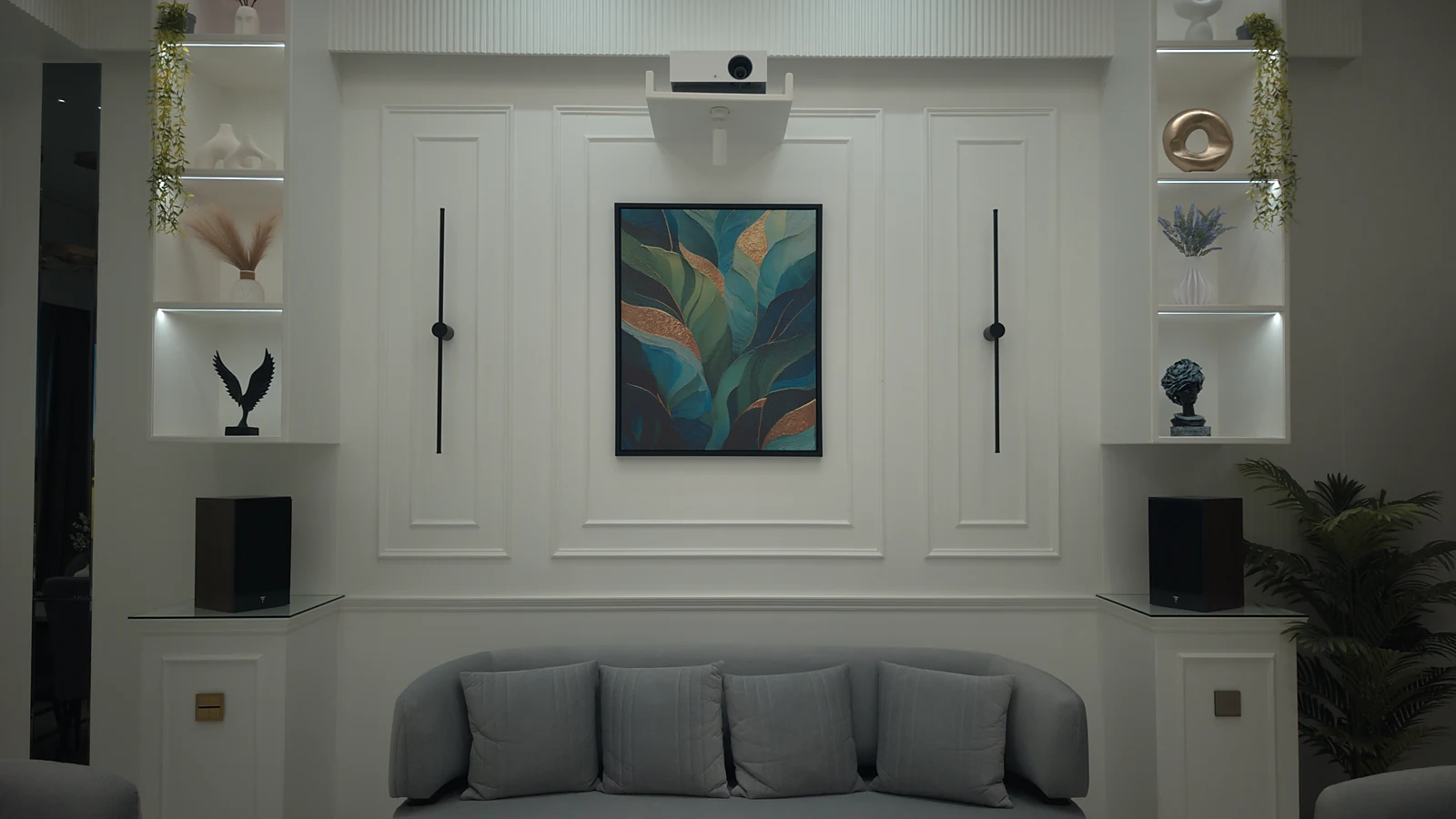
03Scenes make large homes easier to use
In a larger residence, the number of circuits can become substantial. Scenes reduce cognitive load by allowing the user to control groups of lights together.
A keypad can have clearly labelled actions such as Day, Evening, Entertain and Goodnight. The specific names and number of buttons should be based on the room rather than on the technology.
04Sensors and intelligent triggers
Motion and presence sensors can automate corridors, bathrooms, wardrobes and other spaces. Sensors can also provide information that the automation system uses to make broader decisions.
The best sensor logic is usually conservative. The system should understand occupancy and time conditions without creating surprising behaviour.
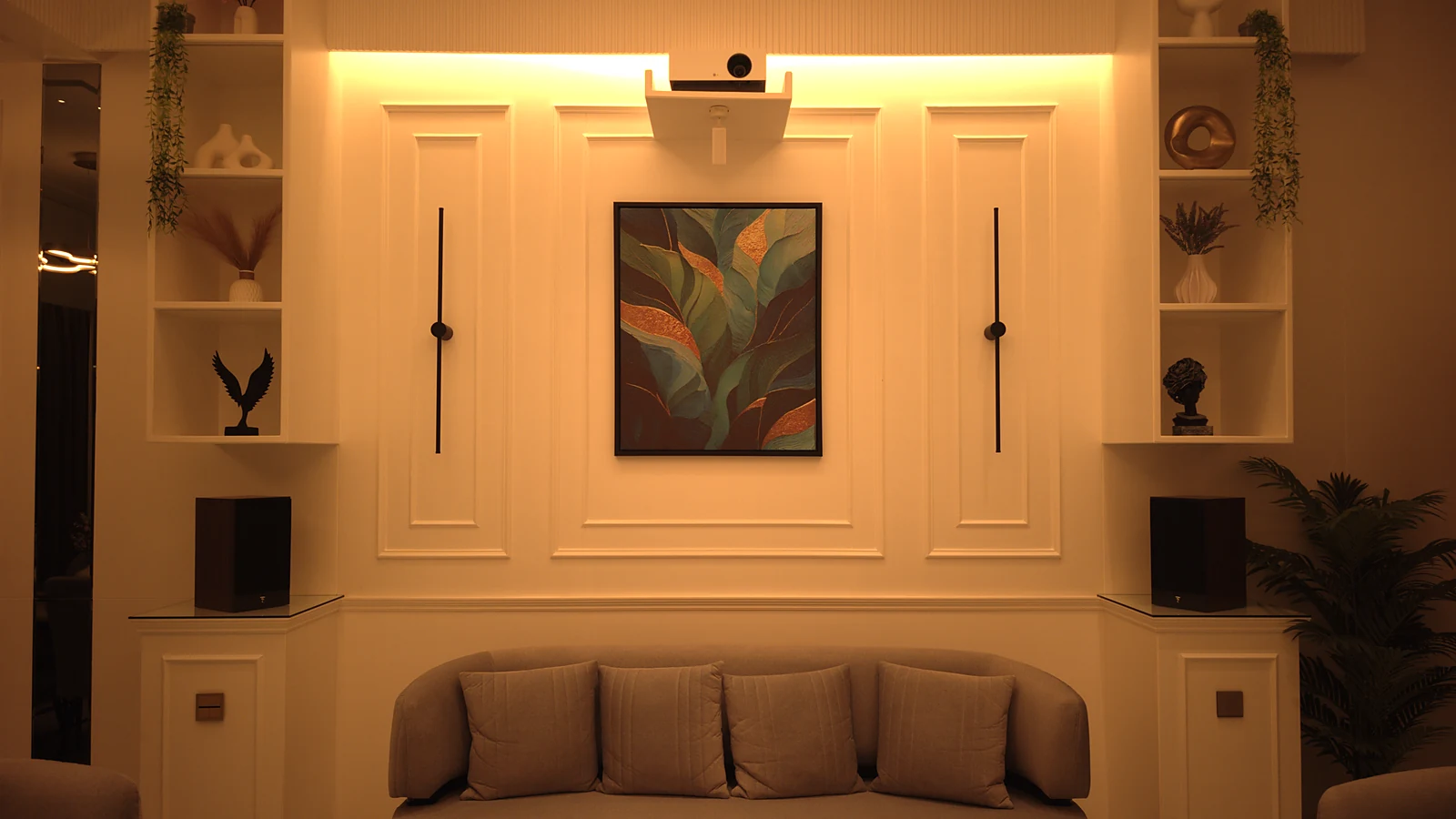
05Lighting and shading should be designed together
Lighting does not exist in isolation. Daylight from windows affects the way a room feels, while blinds and curtains affect glare and heat. Coordinating artificial lighting with shading can create a more consistent environment throughout the day.
This is particularly valuable in rooms with large glass areas or carefully designed architectural lighting.
06Lighting as the foundation of home automation
Because lighting is used every day, it is often the best place to demonstrate the value of automation. Once lighting is working as a coherent system, it can be connected with climate, curtains, security and entertainment.
The result is a home where technology is present in the background but the experience remains simple.
07Frequently Asked Questions
Can KNX control LED lights?
Yes, provided the lighting and drivers are compatible with the chosen control architecture and are properly commissioned.
Can existing lights be automated?
Often yes, depending on the existing wiring, load types and available interfaces. A site assessment is recommended.
Does smart lighting mean coloured lights?
No. Premium lighting automation is often focused on dimming, scenes, colour temperature where supported, and coordination with daylight and room use.
Planning a new lighting system? Speak with Control Valley before electrical and ceiling work is finalised so automation can be coordinated with the lighting design.
—Continue reading
- What Is KNX Home Automation? A Complete Guide for HomeownersWhat KNX home automation is, how it works, what it can control, and why it suits homes designed to stay useful for years.
- KNX vs Wi-Fi Smart Home: Which Is Better for a New Home?KNX vs Wi-Fi smart home explained: compare reliability, scalability, wiring, security, control, maintenance and cost before choosing automation for a new home.
- How Much Does Home Automation Cost in India? A Practical GuideUnderstand how home automation is priced in India, what shapes the budget, what a KNX project includes, and how to plan a realistic scope.