
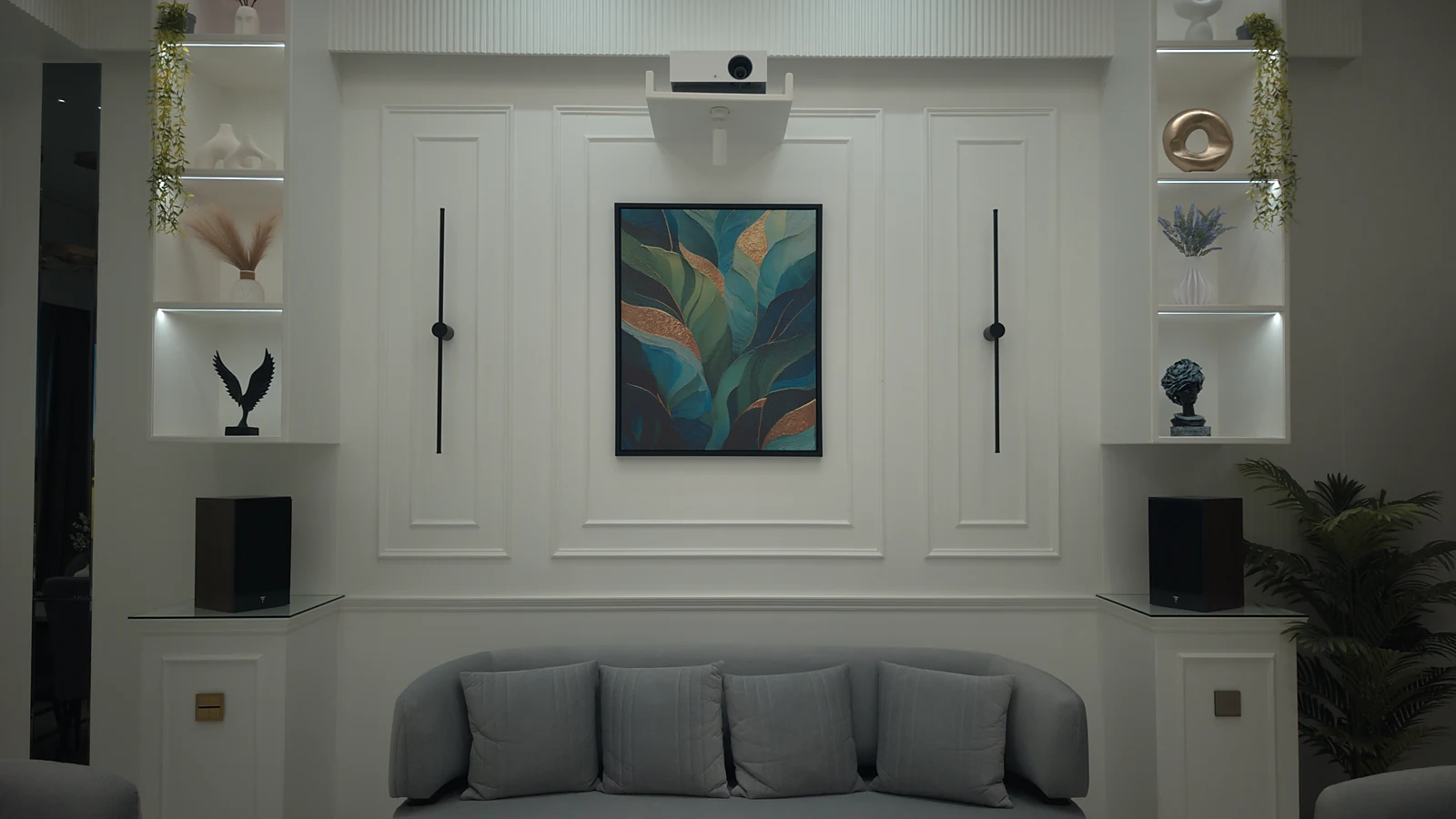
01KNX in simple terms
KNX is an international standard for home and building automation. Instead of every device operating as a separate product with its own app, KNX provides a common communication standard through which compatible devices can work together.
Think of KNX as the underlying language of an automated home. A keypad can send a command, a presence sensor can provide information, a thermostat can request a temperature change, and lighting or curtain equipment can respond according to the programmed logic.
The important distinction is that a KNX installation is designed as a system rather than assembled as a collection of gadgets. The objective is not simply to put more devices in the home; it is to make the home respond intelligently and consistently.
A KNX installation is designed as a system, rather than assembled as a collection of gadgets.
02What can a KNX system control?
A well-designed KNX installation can coordinate lighting, shading and motorised curtains, climate control, sensors, energy-related functions, access and security integrations, and other connected systems. Audio-video and third-party platforms can also be integrated where appropriate.
Imagine leaving home with one scene: selected lights switch off, air-conditioning moves to the desired mode, curtains respond to programmed conditions, security functions are armed and the entrance is secured. The exact behaviour is determined by the project design and programming.
At night, a Goodnight scene can create a calmer environment by switching off unnecessary lighting, closing selected curtains, adjusting climate settings and coordinating other systems. The value comes from the relationships between systems.
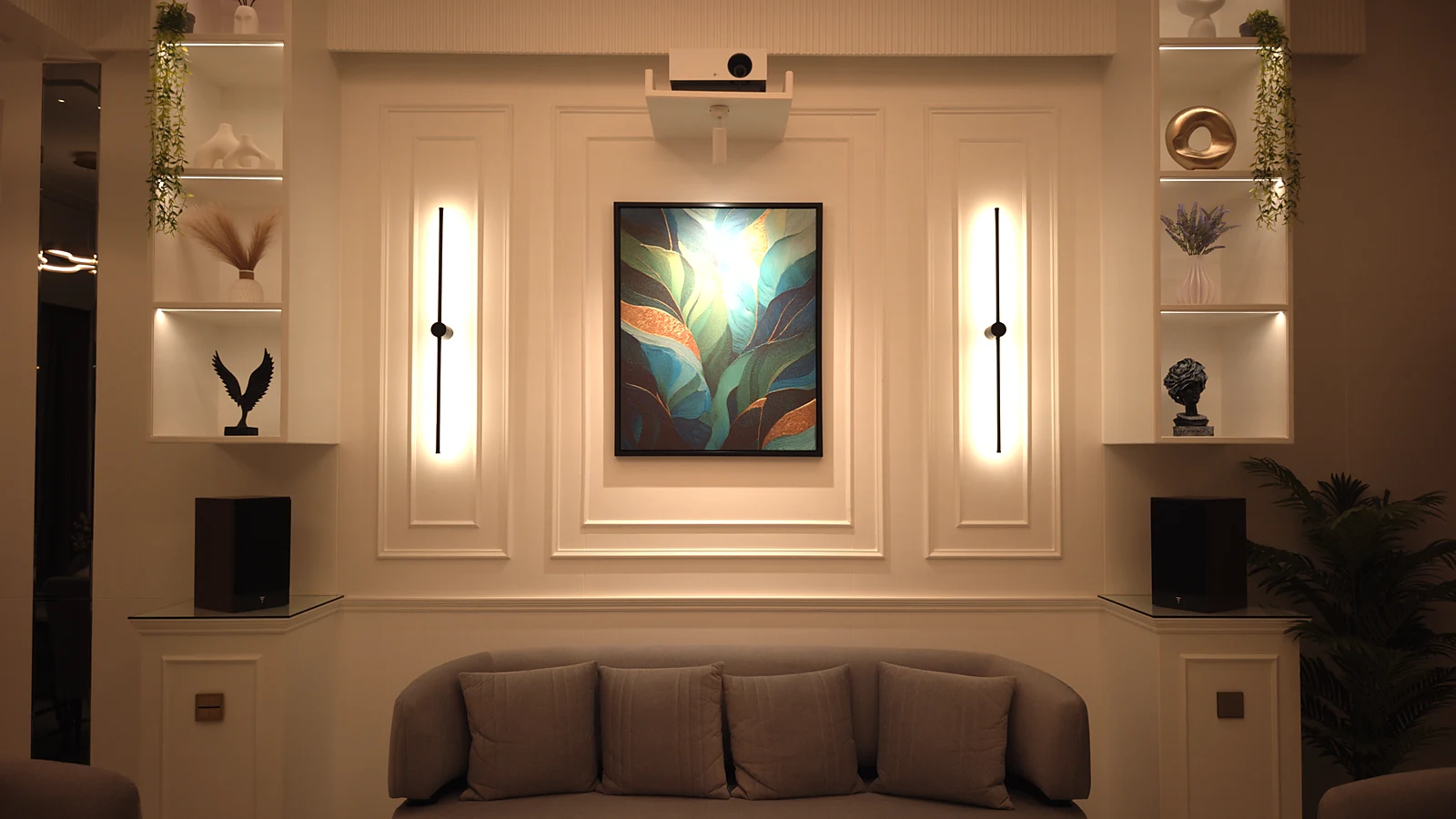
03Why KNX is different from ordinary smart-home gadgets
Many consumer smart devices are designed to solve one problem: a smart bulb, smart plug, smart speaker or Wi-Fi camera. These products can be useful, but a large home with dozens of devices can quickly become a collection of separate ecosystems.
KNX takes a different approach. Because it is an open international standard with products from many manufacturers, the system can be designed around the requirements of the property rather than around one manufacturer’s product catalogue.
KNX is also commonly considered for long-term installations where serviceability, scalability and professional engineering matter. The KNX Association currently describes the ecosystem as spanning more than 8,000 certified products from 500+ manufacturers.
04Is KNX only for luxury homes?
KNX suits anyone who wants their home to work as one system, and it scales comfortably from a compact apartment to a large residence.
The right question is not whether a property is ’luxury’ enough for KNX. It is whether the owner values coordinated control, long-term flexibility, professional commissioning and the ability to expand the system later.
For a new home, automation should be considered during the electrical and interior design stages. Planning early can make cabling, distribution boards, sensor positions, curtain pockets, lighting circuits and equipment locations far easier to execute cleanly.
Hundreds of manufacturers, one common language
05What does a KNX project involve?
A successful project normally begins with understanding how the occupants use the home. The design team then maps functions such as lighting circuits, scenes, climate zones, curtain control, sensors and interfaces.
Electrical and automation design are coordinated before installation. Devices are selected, installed and commissioned, and the logic is programmed to match the agreed user experience. Testing and handover are essential because a smart home should feel simple even though the engineering behind it may be sophisticated.
Professional documentation is also valuable. A well-documented system is easier to maintain, modify and expand when the homeowner changes interiors, adds rooms or introduces new technology.
06Who should consider KNX?
KNX is worth considering for homeowners building or renovating a premium residence, people who want one coherent control experience, and clients who are frustrated by multiple apps and disconnected devices.
It is also relevant to architects and interior designers who want technology to disappear into the design rather than dominate it. Keypads, sensors, lighting and curtains can be planned as part of the architecture and interiors from the beginning.
07Frequently Asked Questions
Is KNX wireless?
KNX supports wired and wireless approaches, including KNX RF. The appropriate architecture depends on the property, construction stage and project requirements.
Does KNX require the internet?
Core KNX automation can be designed to operate locally; internet connectivity can be added for remote access and selected integrations.
Can different brands work together?
Yes. Interoperability across certified KNX products is one of the major reasons the standard is used for multi-brand projects.
Book a consultation with Control Valley to discuss a KNX-based automation plan for your home, renovation or new project.
—Continue reading
- KNX vs Wi-Fi Smart Home: Which Is Better for a New Home?KNX vs Wi-Fi smart home explained: compare reliability, scalability, wiring, security, control, maintenance and cost before choosing automation for a new home.
- How Much Does Home Automation Cost in India? A Practical GuideUnderstand how home automation is priced in India, what shapes the budget, what a KNX project includes, and how to plan a realistic scope.
- 10 Smart Home Automation Ideas That Actually Improve Daily LifeDiscover practical smart home automation ideas for lighting, curtains, climate, security, access and entertainment that make everyday living simpler.