
011. What system architecture do you recommend?
Ask the integrator to explain the architecture in plain language. Is it a collection of individual devices, a central controller, KNX, or a hybrid? Ask why the architecture is suitable for your property.
022. Is the system open or brand-locked?
If multiple manufacturers can participate in the architecture, future product choice may be broader. KNX is an open international standard with a large certified ecosystem.
033. Who will design and program the system?
Installation and programming are different skills. Ask who is responsible for system design, commissioning, programming and final testing.
044. Can the system be expanded later?
Ask what happens if you add rooms, new lighting, additional curtains, new HVAC equipment or a new entertainment system. A future expansion plan is a sign of good engineering.
Ask who will still be answering the phone in year three.
055. What happens if the internet goes down?
Ask which functions operate locally and which depend on internet services. Core lighting and essential automation should be designed with sensible fallback behaviour.
066. What happens if a component fails?
Ask about manual control, replacement procedures and whether the system can be serviced without rebuilding the entire installation.
077. Will you provide documentation?
Request device schedules, system diagrams, programming information, scene descriptions and relevant credentials or handover information. Documentation is essential for future service.
088. How is the network designed?
Home automation, cameras, AV and Wi-Fi depend increasingly on network infrastructure. Ask about wired backbone, Wi-Fi coverage, equipment locations, segmentation and future capacity.
099. How are lighting and interiors coordinated?
Ask whether the integrator works with the architect, interior designer and lighting designer. Premium automation should be planned with the interiors rather than added after them.
1010. How do you handle HVAC and curtains?
Ask to see how climate and shading will integrate with lighting and scenes. The value of automation often comes from these cross-system relationships.
Judge an integrator on year three, not handover day
1111. What does commissioning include?
Commissioning should include testing every circuit, keypad, sensor, scene and integration. The homeowner should receive a practical handover rather than simply a demonstration.
1212. What support is available after handover?
Ask about service response, software updates, changes to scenes, expansion and troubleshooting. A smart home is a long-term system, so after-sales capability matters.
13The showroom test
Before choosing a company, visit a working experience centre if possible. Press the buttons. Test scenes. Try manual control. Ask what happens when something is unavailable.
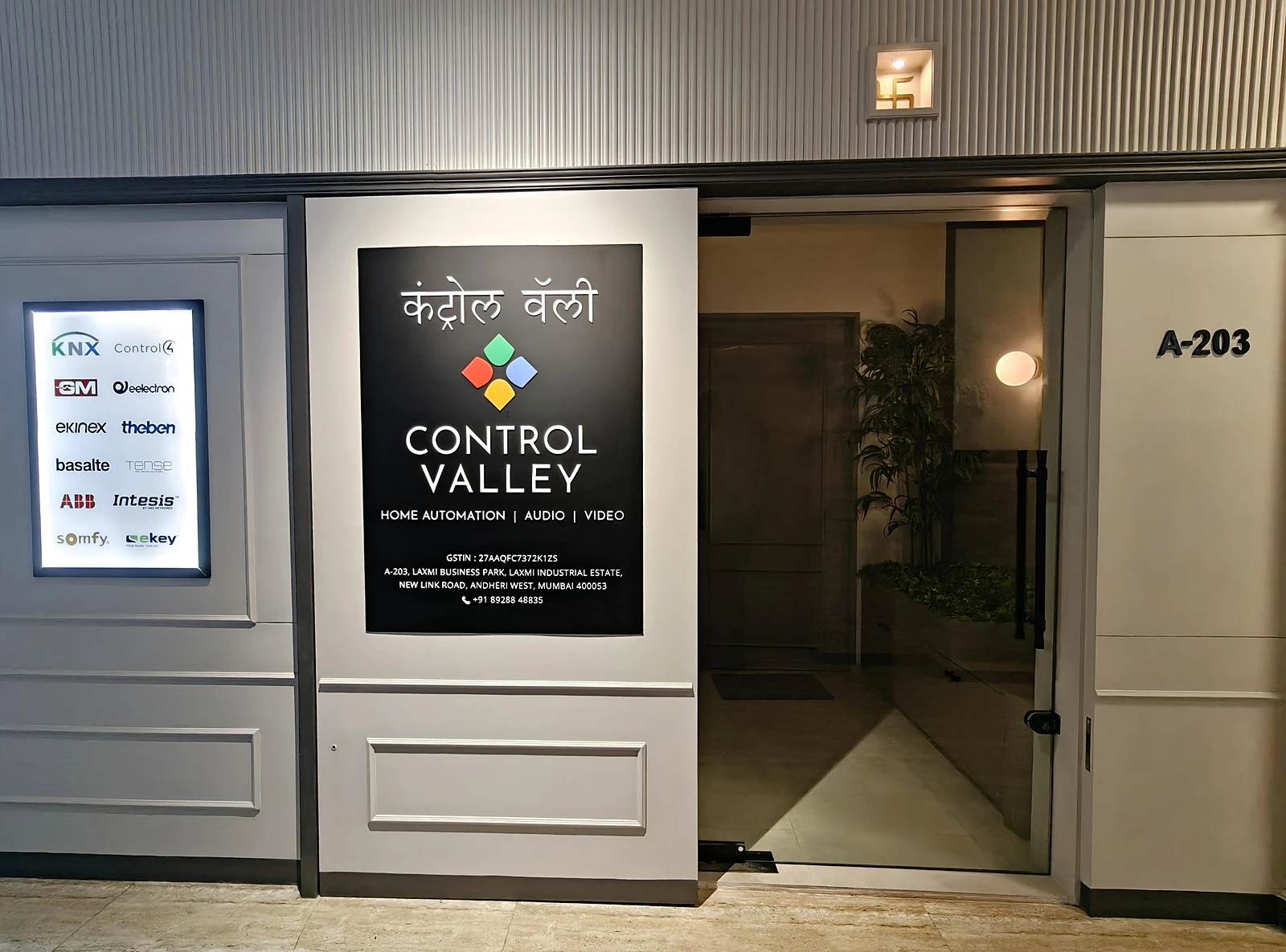
Control Valley’s Experience Centre in Andheri West demonstrates lighting, audio, climate, curtains and security working together through a KNX-based architecture. The purpose of a working demonstration is to help homeowners judge the experience, not just the specification sheet.
14Choose the experience, not the gadget list
A premium automation project is ultimately about how the home behaves. The best integrator will spend time understanding the property and the people living in it before recommending equipment.
Ask for a design that is understandable, documented and expandable. Technology changes; good engineering should make the home easier to live with, not harder.
15Frequently Asked Questions
Is the cheapest automation quotation the best?
Not necessarily. Compare architecture, scope, programming, commissioning, documentation, support and future expandability—-not only hardware price.
Should I choose one brand for everything?
Not always. Multi-brand standards such as KNX can provide greater flexibility when compatible certified products are selected.
Should I visit a showroom?
A working demonstration can be very useful because you can experience scenes, manual control and integration before making a decision.
Planning a smart home or renovation? Book a consultation with Control Valley and discuss the architecture, scope, integration and support before you commit to equipment.
—Continue reading
- What Is KNX Home Automation? A Complete Guide for HomeownersWhat KNX home automation is, how it works, what it can control, and why it suits homes designed to stay useful for years.
- KNX vs Wi-Fi Smart Home: Which Is Better for a New Home?KNX vs Wi-Fi smart home explained: compare reliability, scalability, wiring, security, control, maintenance and cost before choosing automation for a new home.
- How Much Does Home Automation Cost in India? A Practical GuideUnderstand how home automation is priced in India, what shapes the budget, what a KNX project includes, and how to plan a realistic scope.